lsal
How to Choose the Best Local Plumber in Your Neighborhood: A Comparison Guide
Don't get caught unprepared when a plumbing emergency strikes. This guide will help you choose local plumber neighborhood services, ensuring you find a reliable and trusted professional for your home.
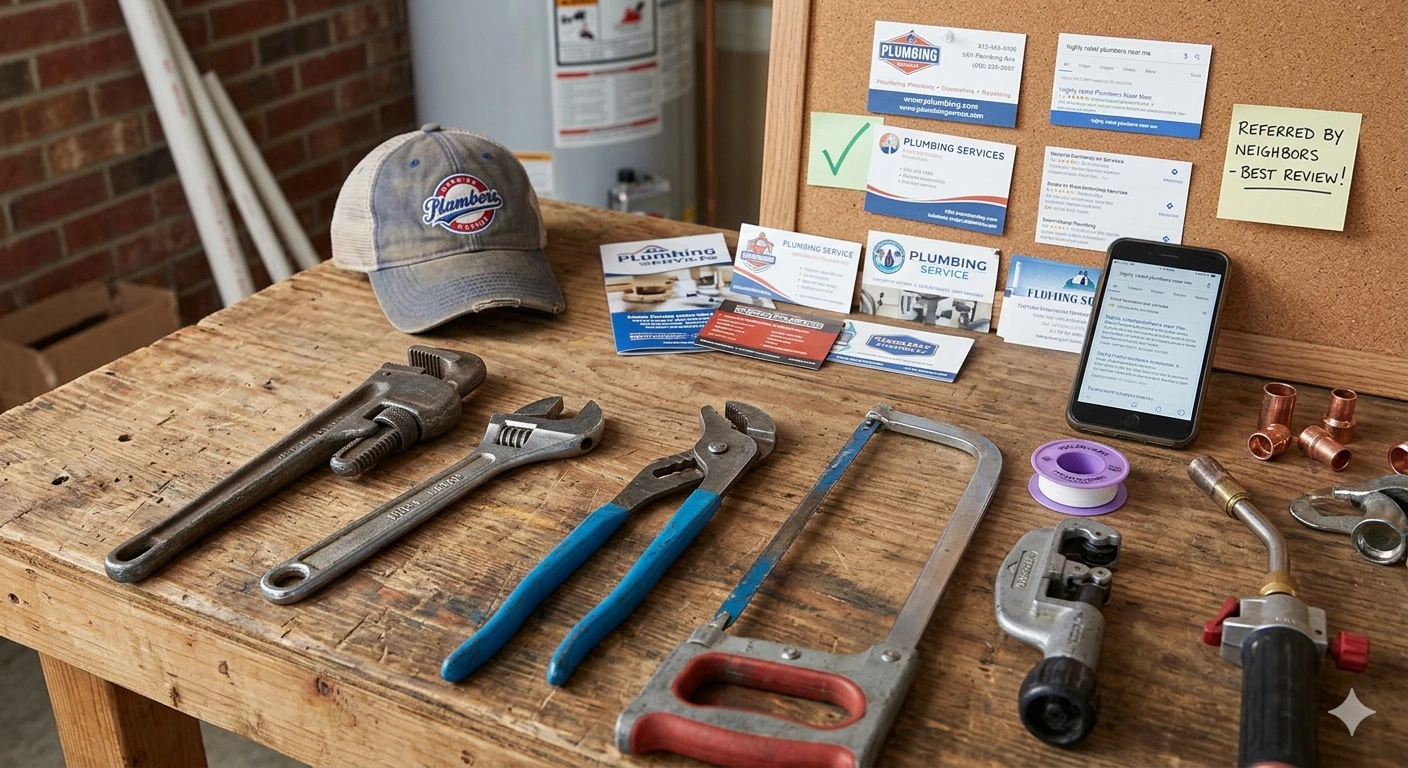
Introduction: Navigating Your Plumbing Needs
When a pipe bursts, a drain clogs, or a water heater fails, the last thing you want is to scramble to find a reliable plumber. Choosing the best local plumber in your neighborhood can save you stress, time, and money in the long run. This comprehensive comparison guide will walk you through the essential steps to find a trusted professional right in your community, ensuring your home's plumbing is in expert hands.
Why Choosing a Local Plumber Matters
Opting for a plumber who operates locally offers several distinct advantages. They often have a better understanding of local building codes and common plumbing issues specific to your area. Furthermore, their proximity means faster response times, especially crucial during emergencies. A local professional is also more invested in their community's reputation, making them more accountable for quality service and customer satisfaction.
Key Factors to Consider When Choosing Your Plumber
To find trusted plumber services, a thorough evaluation is key. Here are the critical aspects to assess:
- Licensing and Insurance: Always verify that the plumber is licensed by your state or local municipality and carries adequate insurance (liability and worker's compensation). This protects you from potential liabilities if accidents occur on your property.
- Experience and Specialization: Does the plumber have experience with your specific issue? Some specialize in drain cleaning, others in water heater repair, or even trenchless sewer line replacement. An experienced professional can diagnose and fix problems more efficiently.
- Reputation and Reviews: One of the most reliable ways to choose local plumber neighborhood services is by checking their reputation. Look for local service reviews on platforms like Google, Yelp, and other local directories. Pay attention to recurring themes in feedback – both positive and negative. Ask for references from past clients if possible.
- Pricing and Transparency: Before any work begins, get a detailed, written estimate. A reputable plumber will provide a clear breakdown of costs, including parts and labor. Be wary of quotes that seem too low or too high, and always understand their pricing structure – hourly, flat rate, or per job. Discuss plumbing service cost upfront to avoid surprises.
- Availability and Emergency Services: Plumbing emergencies don't stick to business hours. Inquire about their availability for urgent calls. Do they offer 24/7 emergency services? What's their typical response time for non-emergency appointments?
- Warranty and Guarantees: A confident plumber stands behind their work. Ask if they offer a warranty on parts and labor. This provides peace of mind that if an issue recurs shortly after the repair, they will address it without additional cost.
How to Effectively Compare Local Plumbers
Once you've identified a few potential candidates, it's time to compare local plumbers effectively.
- Get Multiple Quotes: Contact at least three different plumbers for estimates on the same job. This helps you gauge fair pricing and compare their proposed solutions.
- Ask Specific Questions: Don't hesitate to ask about their approach to the problem, the materials they plan to use, how long the job will take, and if there are any potential hidden costs.
- Check References: Beyond online reviews, directly speaking with previous clients can provide invaluable insight into a plumber's professionalism, reliability, and quality of work.
- Use Online Directories and Local Business Finders: Platforms like Neerbei can be excellent resources to find trusted professionals in your area, read reviews, and even request quotes from multiple plumbers simultaneously. They help streamline the process of finding a plumber near me.
Red Flags to Watch Out For
Be cautious if a plumber:
- Refuses to provide a written estimate.
- Demands full payment upfront before any work begins.
- Doesn't have proper licensing or insurance.
- Pressures you into immediate, expensive repairs without proper diagnosis.
- Has consistently negative online reviews or a poor track record with consumer protection agencies.
Conclusion: Making Your Informed Choice
Choosing the best local plumber in your neighborhood doesn't have to be a daunting task. By focusing on licensing, experience, reputation, transparent pricing, and clear communication, you can confidently select a professional who will provide reliable, high-quality service. Take your time, do your research, and ensure your home's plumbing is in the hands of a trusted local expert.
FAQ
How can I verify a plumber's license and insurance?
Most state or local licensing boards have online databases where you can search for a plumber's license by name or license number. For insurance, ask the plumber to provide a certificate of insurance directly from their provider, or contact their insurance company to verify coverage.
What specific questions should I ask a potential plumber before hiring them?
Beyond the cost, ask about their experience with your specific issue, their warranty policy on parts and labor, estimated project duration, and if they'll provide a written contract. Also, inquire about their emergency service availability and typical response times.
Is it always better to choose the cheapest plumbing quote?
Not necessarily. While cost is a significant factor, the cheapest option might sometimes indicate lower quality materials, less experienced labor, or a lack of proper insurance. Prioritize value, which includes quality, reliability, and guarantees, over just the lowest price.
How quickly should a local plumber respond to an emergency call?
For true emergencies like a burst pipe or major leak, a reputable local plumber should aim to respond within a few hours, often sooner, as delays can lead to significant water damage. For non-emergencies, a response within 24-48 hours for scheduling an appointment is typical.